

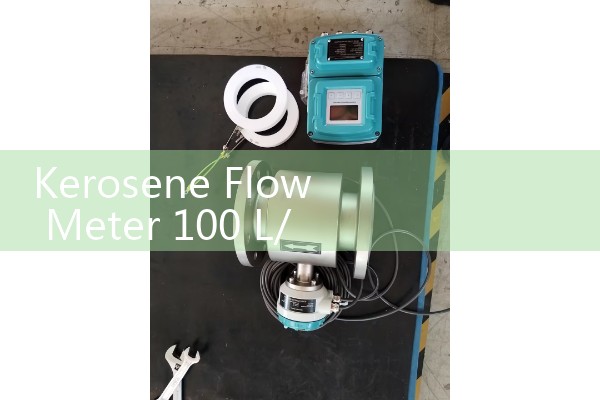
『Kerosene Flow Meter 100 L/h Aviation Fuel Blending Setup』Related information(flow rotameter|digital flow meter|balo meter|hydraulic flow meter|volumetric meter|positive displacement meter|pitot tube flow meter|displacement meter|cfm meter|variable area flow meter|inline flow meter|differential pressure flow meter|calibrated flow meter|velocity meter|paddle wheel flow meter|oval gear flow meter|anemometer hvac|multiphase flow meter|doppler flow meter|thorpe tube flowmeter|heat flow meter)
Kerosene Flow Meter 100 L/h for Aviation Fuel Blending: Direct Setup Guide
Quick Answer: For kerosene blending at 100 L/h, a small-line Coriolis mass flow meter (DN6–DN15) or a precision oval gear meter with PT100 temperature sensor gives you mass flow, density, and temperature in one shot. Coriolis adds real-time density reading so the blend ratio stays accurate. If budget limits you, an oval gear meter with 4-20 mA pulse output works, but you lose online density.
We have supplied aviation fuel blending skids across Southeast Asia and the Middle East. One fuel depot in Vietnam needed a repeatable 100 L/h kerosene dosing line. They tried a turbine meter first. Small flow, low viscosity kerosene around 1.2 cP at 20 °C, the turbine bearing drag caused a 3% low-reading drift over two months. Then they switched to a DN10 Coriolis flow meter from Silver Instruments. The difference was immediate.
Why 100 L/h Is Tricky for Jet Fuel Blending
Aviation fuel blending often handles Jet A-1 or kerosene streams at low flow rates. A 100 L/h flow is only 1.67 L/min. That is well below the sweet spot for many industrial flow meters. Turbine meters need a minimum velocity to overcome inertia. Magnetic flow meters do not work on hydrocarbons. Vortex meters need a Reynolds number above 20,000, which you will not achieve with kerosene at this rate unless you reduce the pipe size dramatically. So the real shortlist is Coriolis, oval gear, or thermal mass flow.
Coriolis Mass Flow Meter: The First Choice for Blend Accuracy
Here is the thing. In aviation fuel blending, you are mixing kerosene with additives at precise ratios. A density shift of 0.002 kg/L can change the energy content and affect engine performance. A Coriolis meter like the Silver Instruments SCF-300 series (DN6–DN25) measures mass flow directly, plus density and temperature. At 100 L/h of kerosene, you get a mass flow reading around 80–85 kg/h depending on temperature. The meter does not care about viscosity or Reynolds number. You just need a zero stability check once a week.
We often specify the DN8 or DN10 size for 100 L/h kerosene blending. The meter body is 316L stainless steel, wetted parts compatible with Jet A-1. The output we recommend is 4-20 mA HART for mass flow, plus a separate 4-20 mA for density. That way your PLC or blending controller reads both signals on a single pair of wires. You also get a pulse output for totalizing. Price for a compact transmitter with local display starts around $2,800 for 1–2 pieces. For 10+ units the price drops.
Oval Gear Flow Meter: Reliable Backup If Budget Is Tight
If your blending setup does not need real-time density correction, an oval gear meter is a solid alternative. At 100 L/h kerosene, we supply a DN6 or DN10 oval gear meter with PPS gears and 316L housing. The Silver Instruments SOG series with 4-20 mA pulse output does the job. You need to install a 60-mesh Y-strainer upstream because kerosene can carry fine rust particles from storage tanks. We have seen a paint manufacturer in Thailand use a similar setup for solvent dosing at 80 L/h. T
One more thing. With oval gear, the output is volumetric. Temperature changes affect kerosene volume by about 0.1% per °C. So you need a PT100 temperature probe and compensate in your controller. If you do not compensate, a 10 °C change will shift your volume by 1%. That can push blend ratios out of spec. Most engineers skip this part during first installation, then wonder why the product is off-spec in the afternoon when the sun heats the pipes.
Installation Guidelines for a 100 L/h Kerosene Blending Line
Pipe size matters. For 100 L/h, we recommend 1/4″ or 3/8″ OD tubing, DN6–DN10 connection. Avoid oversized piping. Large pipe diameter means low fluid velocity and possible air pockets. Kerosene at low velocity can trap bubbles that cause reading spikes in Coriolis meters. Install the flow meter vertically with upward flow if possible, so bubbles rise out of the measuring tube. If you must mount horizontally, keep the meter at the lowest point of the pipe run.
Always include an air eliminator or a small air release valve just before the meter. In fuel blending skids, a micro-bubble trap with a float vent works well. Pressure drop across the meter at 100 L/h is typically below 0.2 bar for a DN10 Coriolis, so you do not need a booster pump unless the supply tank head is very low.
Common Questions from Aviation Fuel Blending Engineers
Q1: Can I use a Coriolis meter for both kerosene and additive dosing?
Yes. If additive flow is similar to 100 L/h, use a second meter of the same size. If additive is only 2–5 L/h, a micro-Coriolis DN4 or a syringe dosing pump with mass flow control is better.
Q2: What approvals are needed for aviation fuel service?
Most fuel depots require ATEX Zone 1 or Zone 2 if the blending area is classified. Silver Instruments Coriolis meters come with Ex d IIC T6 or Ex ia certification. For non-hazardous areas, a standard NEMA 4X enclosure works.
Q3: How often do I need to calibrate?
We recommend annual calibration for Coriolis. Oval gear meters may need recalibration every 6 months if kerosene has additives that swell the gears slightly. Field calibration with a master meter is possible.
Q4: Can this meter handle 100 L/h intermittent flow?
Yes, both Coriolis and oval gear handle start-stop batching well. Coriolis response time is 50 ms, so even short batches of 2–3 seconds are measured accurately.
Q5: What communication protocols do you support?
4-20 mA HART, Modbus RTU, and optionally Profibus-PA. Most blending controllers accept 4-20 mA analog inputs. We test each meter with HART before shipment.
How to Get a Quote and Delivery Time
Send us your pressure (bar), temperature (°C), pipe size (DN), and required flow range. Tell us if you need density output or only mass flow. Also mention any hazardous area classification. Email your request to our sales team or fill the inquiry form on the website flow-meter.com.au. We respond within 12 hours with a complete datasheet and price. From our factory in China, delivery to Southeast Asia takes 5–7 days by air freight. For the Middle East and Latin America, count 8–12 days.
 Hot Blog
 Related AD