

『Totalizing Flow Meters: Automated Industrial Batching Control Panel Hardware』Related information(flow rotameter|digital flow meter|balo meter|hydraulic flow meter|volumetric meter|positive displacement meter|pitot tube flow meter|displacement meter|cfm meter|variable area flow meter|inline flow meter|differential pressure flow meter|calibrated flow meter|velocity meter|paddle wheel flow meter|oval gear flow meter|anemometer hvac|multiphase flow meter|doppler flow meter|thorpe tube flowmeter|heat flow meter)

Totalizing Flow Meters: Automated Industrial Batching Control Panel Hardware
Quick Answer
A totalizing flow meter works with an automated batching control panel to start and stop pumps or valves at a preset volume. Silver Instruments supplies totalizing flow meters with pulse, 4-20 mA HART, and RS485 outputs that connect directly to batch controllers. The right hardware pair gives repeatable batch volume for water, chemicals, food liquids, and fuels.
What a Totalizing Flow Meter Does in a Batching Panel
Totalizing flow meters count flow volume or mass. They show a running total on a local display and send a signal to the control panel. The panel compares the total against a setpoint. When the total reaches the target, the panel closes a valve or stops a pump. This is the core of automated batching.
Many engineers use pulse output for batching. A pulse output sends one signal per fixed volume. The panel counts pulses and converts them to litres or kilograms. The value is more stable than using a raw 4-20 mA signal for totalizing because the pulse is digital and less sensitive to noise.
In practice most batch panels need a few hardware items. You need a flow meter with totalizer function, a batch controller or PLC, a relay output, and a control valve or pump contactor. Some Silver Instruments meters have a built in batch controller function. That reduces panel wiring and cost.
Panel Hardware That Works With Totalizing Meters
A batching control panel normally includes a power supply, a batch controller, relays, terminals, and a HMI. The flow meter connects to the panel through pulse, analog, or RS485. For large batches, pulse input is simple. For mass flow, Silver Instruments Coriolis meters can send mass total via Modbus or HART.
Some panels need ATEX Zone 1 rated hardware. In those cases the flow meter and panel components must match the hazardous area classification. Always state the zone and gas group when you request a quote.
So the hardware list depends on the fluid and the plant wiring. A basic water batching panel may need only a 24 V DC power supply, a batch controller, and a relay. A solvent batching panel may need an ATEX rated Coriolis meter and an isolated barrier in the panel.
Matching the Flow Meter to the Fluid
Not every totalizing meter works for every fluid. Here is the thing. The fluid viscosity, conductivity, and temperature decide the meter type.
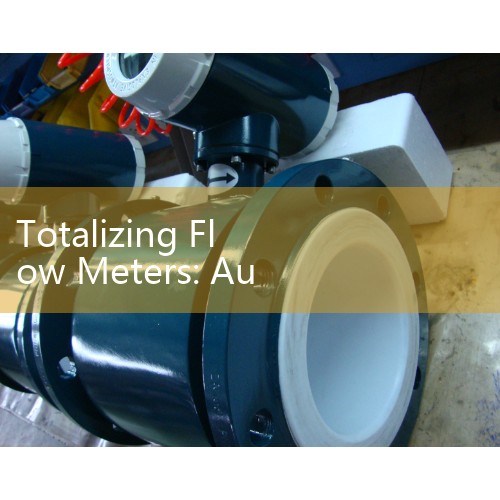
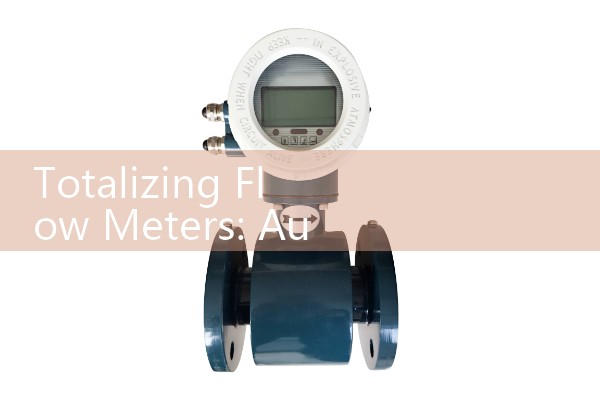
Water, wastewater, and desalination brine: Use a totalizing electromagnetic flow meter. Pipe sizes from DN15 to DN300 cover most plants. Conductivity above 20 µS/cm is enough for electromagnetic flow meters. For seawater, specify titanium or hastelloy electrodes.
Chemicals and solvents: Use a Coriolis mass flow meter. This meter ignores conductivity and density changes. It gives mass total in kg or tonnes. Specify the viscosity in cP and the flow range in kg/h. A PT100 sensor is built into many Coriolis meters for temperature compensation.
Diesel, oils, and lubricants: Use an oval gear flow meter with a pulse output. The mechanical totalizer is simple and reliable. Use a strainer upstream because solid particles can jam the oval gears.
Biogas and compressed air: Use a thermal mass flow meter or a vortex flow meter. Both can handle gas totalizing. The panel may need pressure and temperature compensation for standard volume.
We have seen panels fail because the flow meter was not matched to viscosity. A paint manufacturer in Southeast Asia tried a turbine meter for a high viscosity resin. The batch error was over 4 percent. A Coriolis mass flow meter solved the problem.
Outputs and Batch Control Logic
The panel logic is usually simple. The operator enters a batch volume on the HMI. The controller resets the totalizer to zero. The controller opens the valve or starts the pump. The flow meter sends pulses. The controller counts the pulses. At the target volume the controller closes the valve. A two
Use a meter with a high enough pulse resolution. A turbine or oval gear meter may output 100 pulses per litre. An electromagnetic meter may output 10 pulses per litre. For small batches under 10 litres, choose a meter with higher pulse resolution.
Silver Instruments flow meters can output pulse, 4-20 mA HART, and Modbus RS485. The pulse output goes to the panel counter. The analog output goes to a flow rate display. The RS485 link sends total, rate, and diagnostic data to a PLC or paperless recorder.
Most engineers skip this part but it matters. Use shielded cable for pulse and RS485 runs. Separate low voltage signal cable from pump cables in the panel duct. Noise on the pulse line can cause extra counts and ruin the batch.
A Real Batching Example From a Customer Site
Last year a customer in Vietnam asked us for a batching panel for fish sauce. The line needed to fill 200 litre drums with a repeatability of 1 litre. We supplied a DN25 electromagnetic flow meter with a pulse output and a panel with a batch controller and two stage valve output. The conductivity of fish sauce was high enough for the electromagnetic meter. The panel stopped the fill at 199 litres and the second stage trickled to 200 litres. The customer later added a PT100 temperature sensor to trim the volume because the density changed on hot days.
Another customer in Indonesia used a Coriolis mass flow meter for adhesive batching. The batch size was 15 kg per container. The panel used the Coriolis meter mass pulse output. Overshoot was under 30 grams. That is good enough for most adhesive lines.
What to Specify for a Quote
To get a batching panel quote, send us these details. Fluid name, viscosity in cP, conductivity in µS/cm if it is water based, flow range, batch volume, pipe size, pressure in bar, temperature in °C, and hazardous area zone. The more data you send, the faster we can recommend a totalizing flow meter and panel hardware.
Tell us the valve type too. A ball valve with an electric actuator is slower than a solenoid valve. The panel logic may need a pre stop offset to handle valve closing time.
Contact Silver Instruments for a totalizing flow meter and batching control panel quote.
Tel: +86-25-68650347
Whatsapp: +86-25-52155837
WeChat: +86 15365082610
Website: flow-meter.com.au
Frequently Asked Questions
What is a totalizing flow meter?
A totalizing flow meter displays and transmits the cumulative volume or mass that passes through the meter. In batching, the panel uses the totalizer value to stop the flow at the target volume.
Can a totalizing flow meter be used for automated batching control panel hardware?
Yes. The meter sends pulse, analog, or RS485 signals to the panel. The panel controls valves and pumps based on the totalized flow. This is the standard method for industrial batching.
Which flow meter is best for water batching?
An electromagnetic flow meter is often the best choice for water, wastewater, and conductive liquids. It has no moving parts and handles pipe sizes from DN15 to DN300. Ensure the liquid conductivity is above 20 µS/cm.
Which flow meter is best for chemical batching by mass?
A Coriolis mass flow meter is the best option for chemical batching by mass. It measures kg or tonnes directly. It works with low conductivity liquids and high viscosity fluids.
What details are needed for a batching panel quote?
You need to provide fluid, viscosity, conductivity, flow range, batch volume, pipe size, pressure, temperature, and hazardous area classification. Silver Instruments uses these details to select the right totalizing flow meter and panel hardware.
Send us your pressure in bar, temperature in °C, pipe size in DN, and flow range. Contact Silver Instruments.
Tel: +86-25-68650347
Whatsapp: +86-25-52155837
WeChat: +86 15365082610
 Hot Product
 Related AD