

『Soybean Oil Flow Meter 10 L/min: Addressing Viscosity Variations in Cold Climates』Related information(flow rotameter|digital flow meter|balo meter|hydraulic flow meter|volumetric meter|positive displacement meter|pitot tube flow meter|displacement meter|cfm meter|variable area flow meter|inline flow meter|differential pressure flow meter|calibrated flow meter|velocity meter|paddle wheel flow meter|oval gear flow meter|anemometer hvac|multiphase flow meter|doppler flow meter|thorpe tube flowmeter|heat flow meter)
Soybean Oil Flow Meter 10 L/min: Addressing Viscosity Variations in Cold Climates
Quick Answer: A soybean oil flow meter rated for 10 L/min in a cold climate must handle rapid viscosity shifts. Oval gear flow meters with heating jackets and stainless steel bodies give stable readings from 5°C to 40°C. We recommend a positive displacement meter with PT100 temperature compensation and 4-20 mA HART output for automated correction.
Why Soybean Oil Viscosity Changes in the Cold
Soybean oil thickens noticeably as the temperature drops. At 25°C, its dynamic viscosity is roughly 60 cP. At 10°C, it climbs to 130 cP. In a cold storage room at 2°C, you may see 220 cP or higher. This is a real headache for a process line expecting a steady 10 L/min. A turbine meter would under-register because the oil flows slower through the blades. An electromagnetic flow meter does not work on oil because oil is not conductive. Positive displacement flow meters, especially oval gear meters, bypass these problems. The swept volume stays the same regardless of thickness. Because the meter traps and empties a known pocket of liquid, the pulse output corresponds directly to volume. You do not need exotic signal processing. The flow meter simply counts the rotations and multiplies by the chamber volume.
The Right Meter for Low-Temperature Soybean Oil
Oval gear flow meters from Silver Instruments measure volume by capturing fixed pockets of fluid. As long as the oil enters the measuring chamber, the output pulse is locked to the swept volume. Viscosity changes above 5 cP do not kill the accuracy. We build our OGM series oval gear meters with 304 or 316L stainless steel bodies and PEEK or PTFE gears. For 10 L/min, a DN15 or DN20 line size works well. You get an accuracy of ±0.5% of reading across the 1:10 turndown. That means from 1 L/min to 10 L/min, the repeatability stays solid. The meter handles pressures up to 100 bar if you specify a high-pressure housing. Standard seals are Viton but for cold soybean oil PTFE gives better chemical resistance. In practice, most plants in Southeast Asia pick the DN15 stainless version with a pulse output and a local display. It is simple and does not fail.
Dealing with Cold Start and Waxing
In a dairy or margarine plant in New Zealand, we saw a problem where soybean oil cooled overnight in an unheated pipe. At 6 a.m., the pump struggled. The standard oval gear meter showed a negative shift until the oil warmed up. The fix was a hot water tracing jacket integrated into the meter body. Silver Instruments supplies a heating jacket option that wraps around the meter housing. You connect it to a 60°C water circuit or an electric trace. The jacket keeps the oil above 15°C inside the measuring chamber. No more morning drift. Some sites in Canada preheat the meter block with a silicone heater mat controlled by a simple thermostat. This avoids wax deposits on the gears and ensures the flow meter starts counting the moment the pump kicks in. We have seen customer sites where the unheated meter would skip pulses for the first two litres. That was enough to throw off an entire batch cycle.
Temperature Compensation and Signal Output
Most engineers skip this part, but it matters. The physical expansion of oil with temperature changes volume by 0.1% per °C. For a 10 L/min line, a 15°C swing shifts the actual mass flow. Silver Instruments oval gear
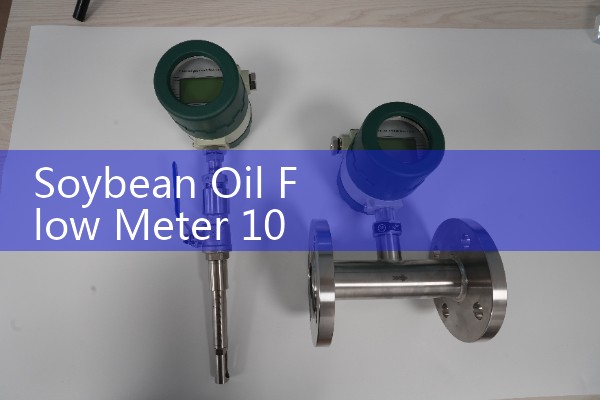
Site Example: A Coconut Oil and Soybean Oil Blending Plant in the Philippines
Last year a food blender in Cebu asked us for a 10 L/min soybean oil meter. Their mixing tank is in an air-conditioned room at 18°C, but the supply pipe runs outside under the sun. Viscosity swings from 80 cP in the morning to 45 cP at noon. We supplied a DN15 oval gear meter with a built-in PT100 and 4-20 mA HART. The PLC receives the temperature-compensated flow. After 8 months, they report a batch accuracy improvement from ±2% to ±0.3%. We have seen similar results at edible oil packaging lines in Vietnam and Ghana. In those plants, the flow meter paid for itself in under four months through reduced oil giveaway. So a 10 L/min meter is not just a sensor. It is a billing and quality tool.
FAQ
Q: Can I use a Coriolis meter instead for soybean oil at 10 L/min? A: Yes. A Coriolis mass flow meter from Silver Instruments measures mass directly, independent of viscosity. It handles wide temperature swings without correction. But it costs 3x to 5x more than an oval gear meter. For most batching jobs under 10 bar pressure, the oval gear meter does the job.
Q: What about pigging and cleaning? A: Oval gear meters are easy to flush. Our OGM series has a removable gear assembly. For sanitary lines, we offer a tri-clamp connection and CIP-compatible design. Always back-flush with warm water to remove oil residue.
Q: Does the meter need a straight pipe run? A: No. Positive displacement meters do not require upstream or downstream straight pipe. Install it right after a 90-degree elbow. That saves space in a cold room.
Q: What output options do you recommend for remote monitoring in cold storage? A: Use 4-20 mA HART for long cable runs. Add a RS485 Modbus RTU connection if you need to read temperature and flow separately. Our meters can send data to a Silver Instruments paperless recorder or any generic SCADA.
Q: How do I order a soybean oil meter rated for 10 L/min with heating? A: Send us your oil temperature range (min °C in winter, max °C in summer), pipe size (DN), and required flow range. We will propose the right meter body, seal material (Viton, PTFE), and heating method. Mention your signal output preference and hazardous area classification. Then we provide a quotation with lead time.
Next Step
For a fixed 10 L/min soybean oil dosing line in a cold climate, do not guess. Tell us your actual process conditions. Send your pressure (bar), temperature (°C), pipe size (DN), and flow range to our engineers at Silver Automation Instruments. You can also see our oval gear flow meter for diesel and edible oils on our site. That detailed page covers seal compatibility and viscosity limits.
 Hot Blog
 Related AD